
Tracing the Evolution of Cyberpunk: From Origins to Influence


Origins of Cyberpunk
The term "cyberpunk" was coined in the early 1980s, but its roots reach back further. Emerging from the intersection of science fiction and the burgeoning tech culture, cyberpunk is characterized by its focus on "high tech and low life." This genre explores the gritty underbelly of futuristic urban landscapes, often highlighting the interplay between technology and human nature.
Authors like Philip K. Dick, William Gibson, and Bruce Sterling pioneered this genre, crafting narratives that delved into themes of artificial intelligence, cybernetics, and corporate power. Gibson’s novel Neuromancer, published in 1984, is often credited with solidifying cyberpunk’s place in literary history.

Key Themes and Characteristics
Cyberpunk is defined by several key themes that continue to resonate with audiences today. One of the most prominent is the juxtaposition of advanced technology with societal decay. This theme is often depicted through dystopian settings where mega-corporations have replaced government authorities, leading to vast economic and social divides.
Another common theme is the exploration of identity in a digital world. The advent of virtual reality and cybernetics in cyberpunk narratives raises questions about what it means to be human. Characters often grapple with these existential dilemmas, blurring the lines between human and machine.
The Visual Aesthetic
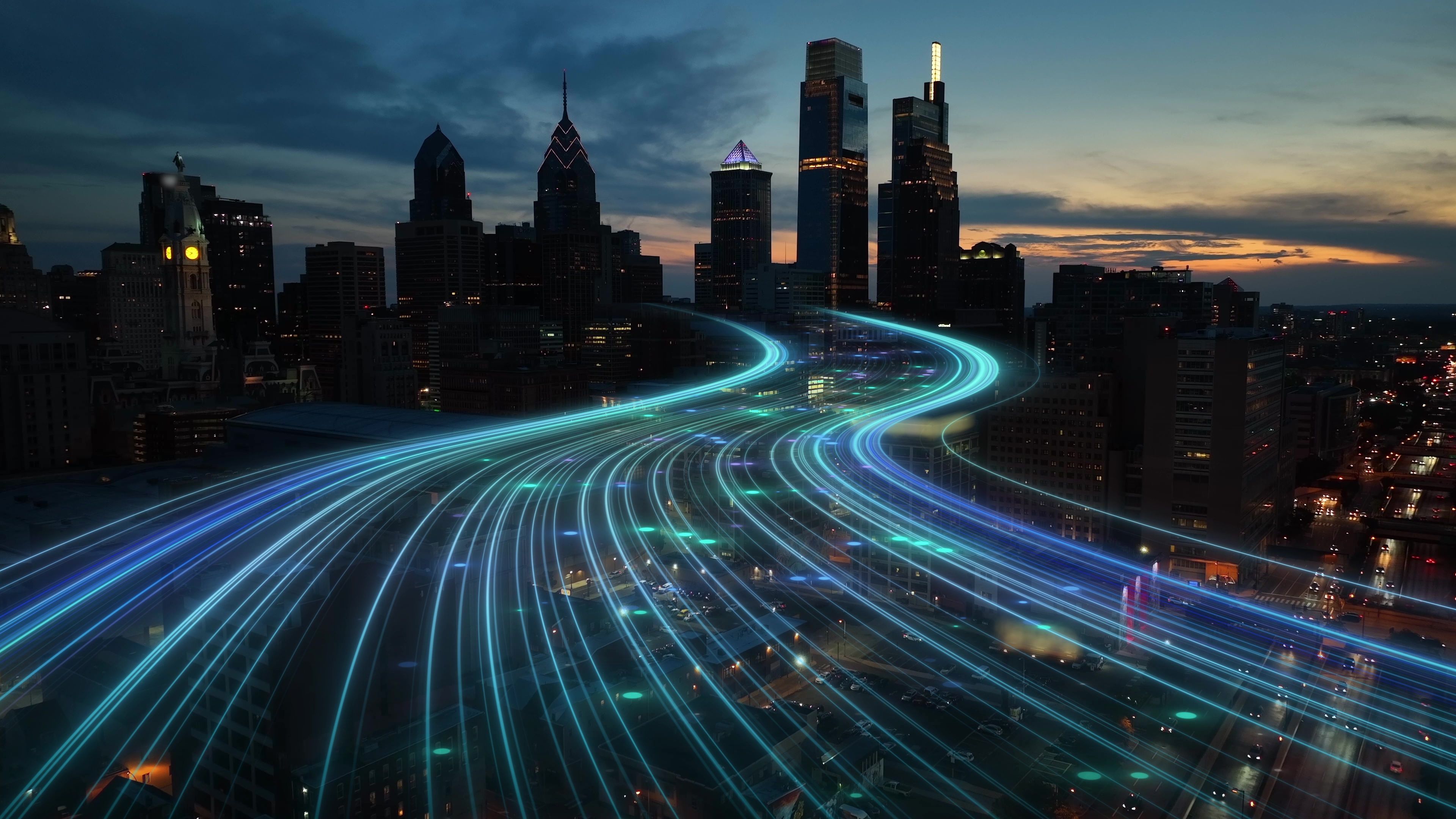
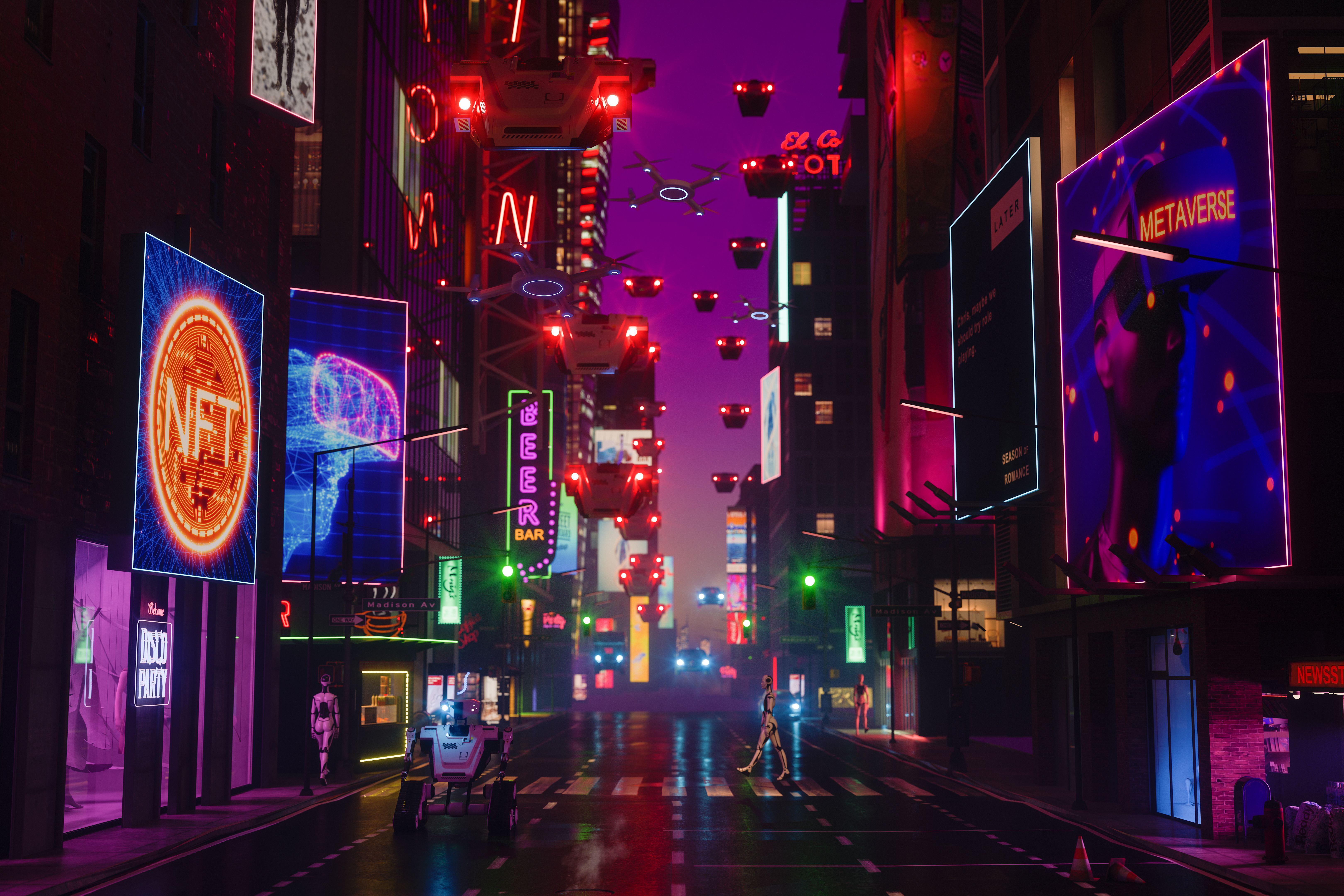
Cyberpunk’s visual aesthetic is as distinctive as its narrative themes. It often features neon-lit cityscapes, towering skyscrapers, and a blend of futuristic and retro elements. This aesthetic has influenced countless films, video games, and artworks, creating a unique and instantly recognizable style.
Movies like Blade Runner and Ghost in the Shell have brought this aesthetic to life on the big screen, presenting viewers with hauntingly beautiful visions of the future. These films continue to inspire new generations of creators, solidifying cyberpunk's enduring legacy.
Cyberpunk in Modern Media
Today, cyberpunk's influence extends beyond literature and film, permeating various forms of media. Video games like Cyberpunk 2077 and Deus Ex offer immersive experiences that allow players to explore cyberpunk worlds firsthand. These games often feature complex narratives and open-world environments that reflect the genre's core themes.
Additionally, cyberpunk has made its mark in the world of fashion and music. The genre's distinctive style has been embraced by designers and musicians alike, who incorporate its futuristic elements into their work. This cross-pollination of ideas continues to push the boundaries of creative expression.

Future of Cyberpunk
As technology continues to evolve, so too does the relevance of cyberpunk. The genre offers a lens through which to examine the ethical and societal implications of emerging technologies. With advancements in AI, VR, and biotechnology, cyberpunk remains a pertinent commentary on the future we are rapidly approaching.
In the coming years, cyberpunk will likely continue to inspire new narratives and innovations. Its enduring appeal lies in its ability to challenge our perceptions of reality and provoke thought about the direction our world is heading.