
What is CYBERPUNK?


Cyberpunk is a influential science fiction subgenre that explores the intersection of high technology and low society. Rooted in dystopian visions of the future, it examines how rapid technological advancement—from artificial intelligence and cybernetics to virtual reality—collides with societal decay, corporate greed, and marginalized communities. Unlike traditional sci-fi that often glorifies innovation, cyberpunk asks provocative questions: What happens when technology outpaces ethics? How do individuals retain their humanity in a world dominated by corporations and digital systems?
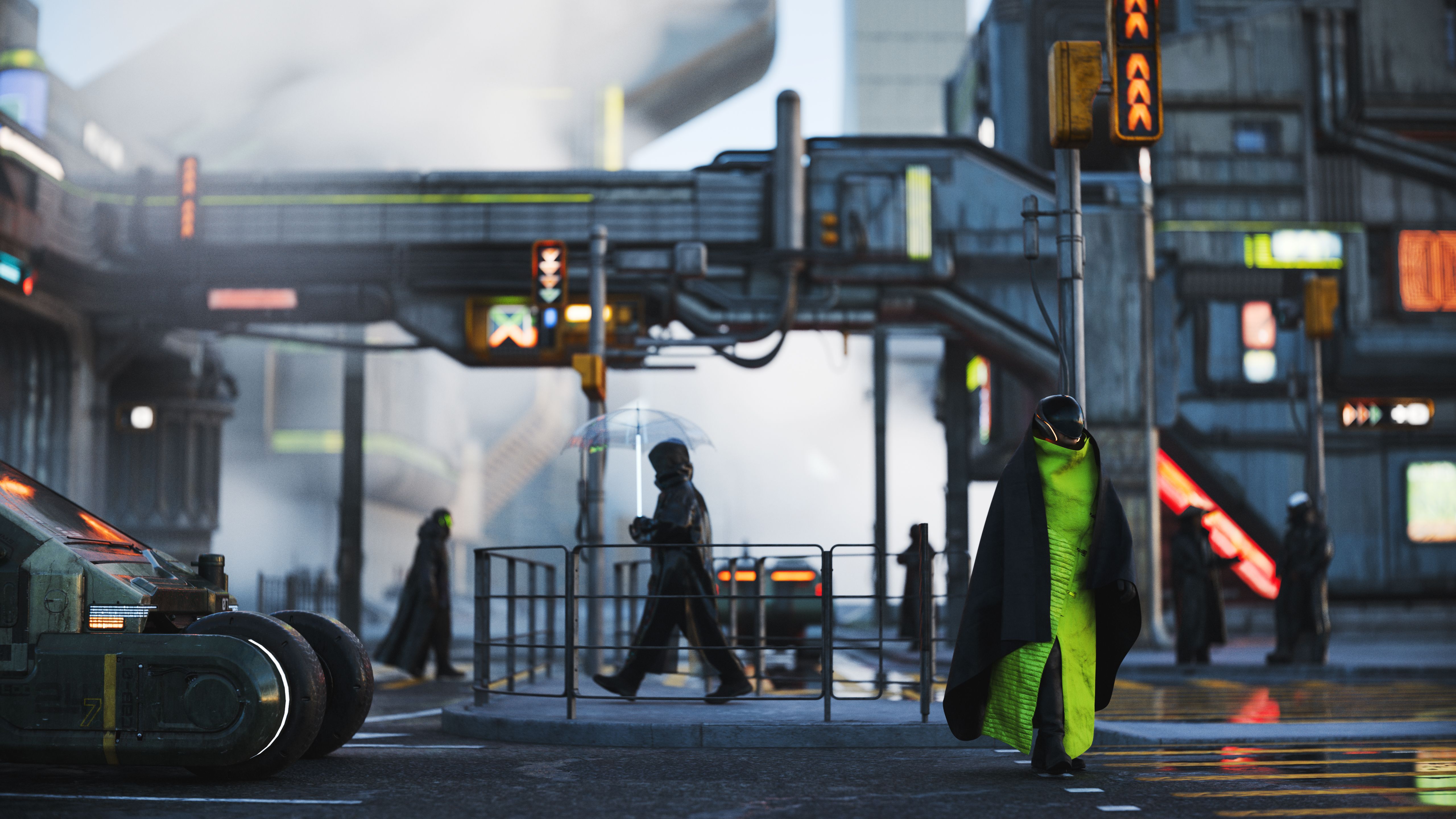
The Origins of Cyberpunk: From Literature to Mainstream
The term “cyberpunk” emerged in the early 1980s, coined by author Bruce Bethke in his 1983 short story Cyberpunk. However, the genre’s foundations were laid years earlier by visionary writers:
- Philip K. Dick: His 1968 novel Do Androids Dream of Electric Sheep? (the basis for Blade Runner) explored identity, reality, and corporate control—core cyberpunk themes.
- William Gibson: Often called the “father of cyberpunk,” his 1984 novel Neuromancer introduced the “cyberspace” (a virtual reality network) and solidified tropes like hacker protagonists and mega-corporations.
- Ridley Scott’s Blade Runner (1982): Though released before the term was formalized, this film’s neon-drenched, rain-soaked Los Angeles became the visual blueprint for cyberpunk aesthetics.
By the 1990s, cyberpunk expanded beyond literature and film into video games (Deus Ex), music (industrial and synthwave), and fashion, cementing its status as a cultural phenomenon.
Core Elements of Cyberpunk: What Makes the Genre Unique
- Dystopian Future Settings: Overcrowded “megacities” ruled by corrupt mega-corporations, with stark divides between the wealthy elite (living in skyscrapers) and the impoverished (surviving in slums). Think Tokyo’s Shibuya Crossing meets a rain-soaked neon jungle.
- Advanced Technology with a Dark Side: Cybernetic enhancements (e.g., robotic limbs, neural implants), artificial intelligence (often rogue or exploited), virtual reality (as an escape or battlefield), and surveillance states.
- Anti-Hero Protagonists: Hackers, mercenaries, outcasts, or “cyberpunks”—individuals fighting against corporate oppression or systemic injustice. They’re often morally ambiguous, navigating a world where right and wrong are blurred.
- Themes of Identity & Humanity: Questions like “What does it mean to be human?” (explored through androids, clones, or cybernetically modified characters) and the loss of privacy in a hyper-connected world.
- Aesthetic: Neon, Grime, and Retro-Futurism: Visually, cyberpunk blends 1980s/90s retro-futurism (CRT screens, synth music) with neon signs, Asian-inspired architecture, rain, and urban decay. It’s “high tech, low life” in visual form.
Cyberpunk in Pop Culture: Iconic Examples
Cyberpunk has left an indelible mark on entertainment and beyond. Here are some defining works:
- Film: Blade Runner 2049 (2017), Ghost in the Shell (1995), Johnny Mnemonic (1995), Alita: Battle Angel (2019)
- Literature: Neuromancer (William Gibson), Snow Crash (Neal Stephenson), The Peripheral (William Gibson)
- Video Games: Cyberpunk 2077 (2020), Deus Ex series, Ghost in the Shell: Stand Alone Complex, Watch Dogs
- TV: Alita: Battle Angel (series), Love, Death & Robots (episodes like “Zima Blue”), Cyberpunk: Edgerunners (Anime)
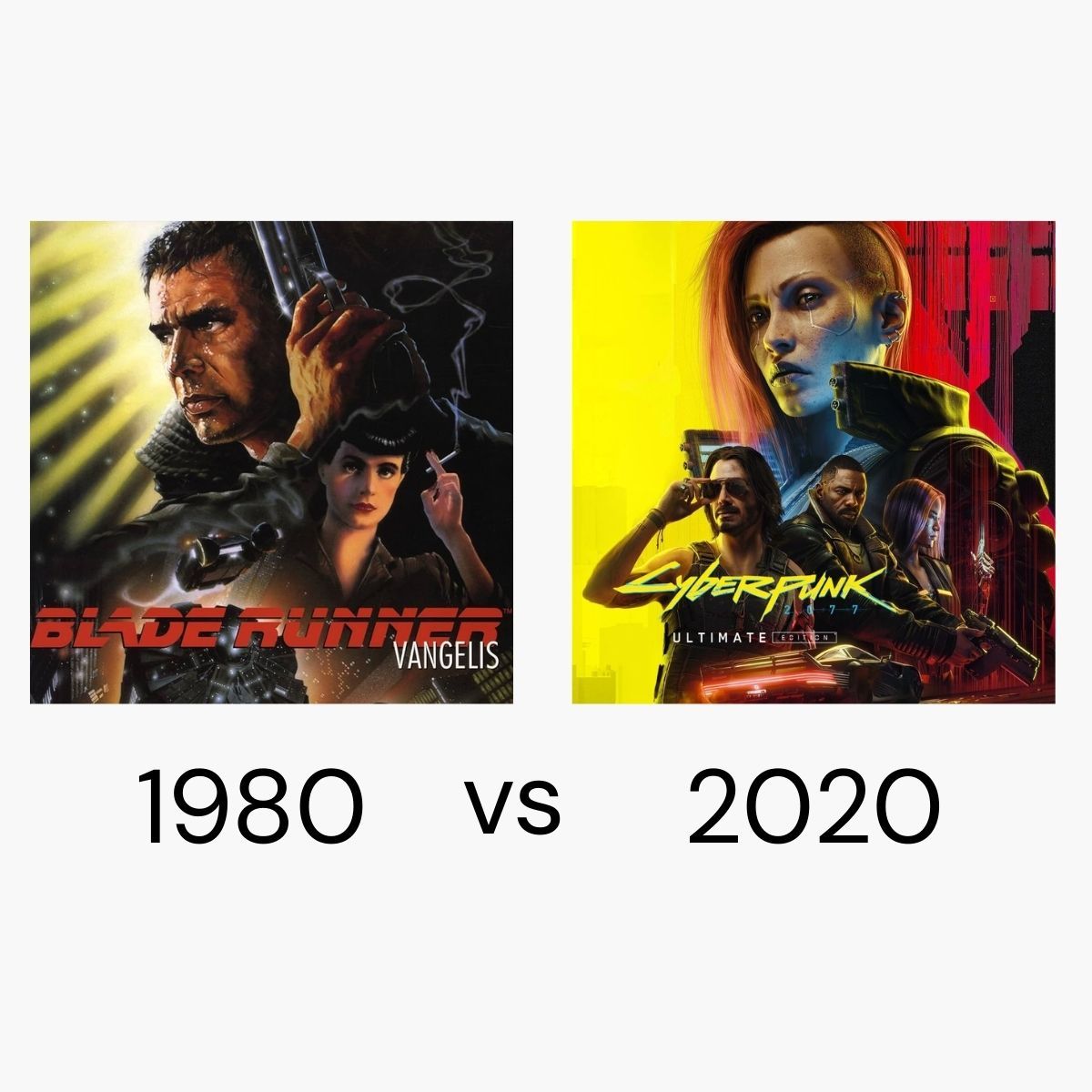
Why Cyberpunk Matters Today: Relevance in the Digital Age
Cyberpunk isn’t just a sci-fi fantasy—it’s a commentary on modern issues. Its themes resonate more than ever in 2024:
- Corporate Power: Tech giants like Google, Amazon, and Meta mirror cyberpunk’s mega-corporations, raising concerns about data privacy and monopolistic control.
- Technological Ethics: Debates over AI, facial recognition, and cybernetic advancements (e.g., neural links) echo cyberpunk’s warnings about unregulated innovation.
- Social Inequality: The genre’s focus on class divides reflects real-world gaps between the wealthy and marginalized, amplified by technology.